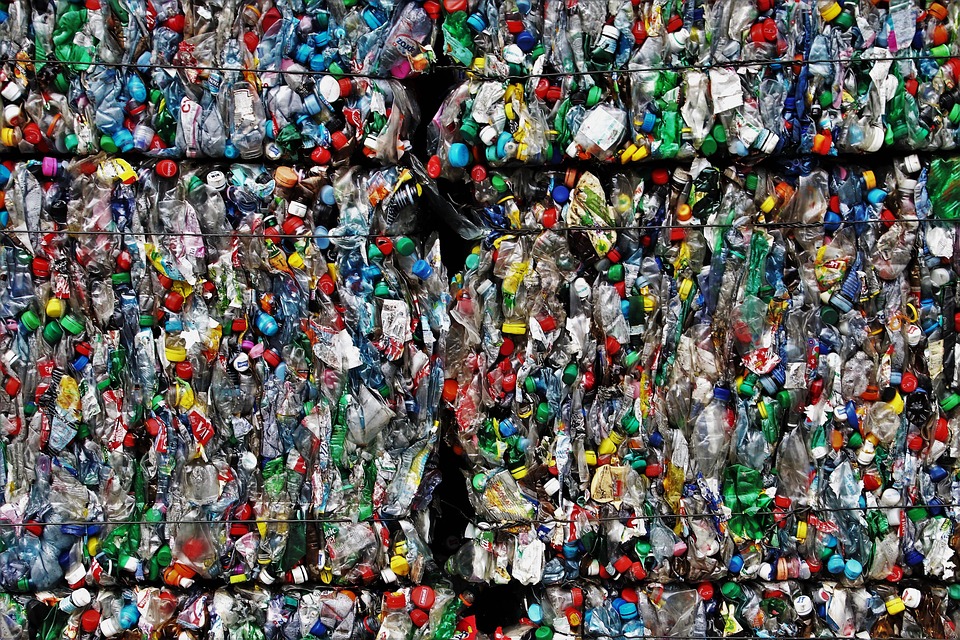
We are living in a time where our economy continually perpetuates a false reality of limitless resources, where endless production of the next ‘must- haves’ and the modern convenience of a throwaway culture is normalised.
Buying new has become somewhat of an epidemic, an insatiable appetite that all of us, at times, struggle to quell. This has never been more apparent than at Christmas time.
The following are just some ways we can all try to be more sustainable over the festive period.
Top tips
- ‘ Sustainable Secret Santa’
If you are organising Secret Santa this year, then why not try making it a sustainable one? Ensure all gifts are preloved or handmade.

Alternatively, collect all the money you would spend on Secret Santa and donate to charity, see point 4 for some inspiration!
- Wrapping paper
An often overlooked part of Christmas.
Consumers in the UK use 227,000 miles of wrapping paper each year. Invariably, the plastics and foils that are used to produce wrapping paper are not recyclable meaning vast amounts are thrown away to landfill which then takes decades to break down. This only contributes to the devastating, and scandalous, proliferation of our global waste crisis which is choking and contaminating the ecosystems we so desperately depend on.
It is ludicrous to think that a commodity with a life span of a matter of seconds has such a monumental and long – lasting impact on our environment!
Why not try wrapping your presents in recycled brown paper and adding decorative fabric ribbons that can used again? If you’re looking for something a bit more colourful, why not try sustainable gift wrap alternatives such as Lush’s beautiful Knot Wrap?

- Christmas cards
Sending Christmas cards is a long – standing tradition dating back to the Victorian period. Again, due to their decorative nature cards usually can’t be recycled meaning approximately 1.5 billion Christmas cards are thrown away by UK households each year.
Cut down the cards you send this year. Look at sending e-cards or handmade alternatives instead. For example, Plantable Seed Christmas cards are made from seed paper, vegetable starch and recycled paper. Once you’ve finished with your card, plant it in the ground and watch it grow!
- Donate to an environmental charity
Give back to the planet by donating to your favourite environmental charity this Christmas. There are some wonderful tree planting schemes run by organisations such as Trees for Life, a beautiful project aimed at rewilding the Scottish Highlands.
Trees have the mind-blowing potential to head the fight against climate change. They have the capacity to capture Co2 emissions from the atmosphere, prevent soil erosion, regulate water cycles and flooding as well as provide safe habitats for wildlife.
With the UK being one of the most nature depleted countries in the world, supporting initiatives like this is critical in determining the future of our wildlife.

- More Vegetarian and Vegan recipes!
Turkey, cheese, chocolate, pigs in blankets… all delicious foods and something we relish in over the festive period. Yet we are also no stranger to the damaging impact of meat and dairy on the environment. As demand for these industries has exploded over the last few decades, huge swathes of rainforests, wetlands and grasslands have been destroyed to make way for crops to support livestock and other consumer products such as palm oil. The environmental impact of agriculture and deforestation is colossal, contributing to a quarter of global greenhouse gas emissions.
There’s not only clear environmental arguments for reducing your meat and dairy consumption, but also huge health and economic benefits in doing so this Christmas. The plant – based diet is becoming increasingly more popular and accessible. Growing numbers of individuals, restaurants and supermarkets are now offering affordable and creative veggie and vegan alternatives. Why not follow Deliciously Ella and Fearne Cotton for some yummy recipes?
If the temptation is just too great over Christmas, try and buy organic meats and support small – scale farming wherever possible.
Note: When buying food try to avoid plastic waste. Bring your own containers and bags to supermarkets and buy loose fruit and veg!

- Christmas Trees
There is some contention around whether plastic or real trees are better for the environment. The popularity of plastic has come from its unique resilience and versatility so if you have a plastic tree, continue to use it for as long as possible.
If you’re looking to purchase a real tree this year, environmental charity Friends of the Earth are advising to look for trees that have an FSC – certification. Try buying a potted tree with roots so you can keep growing it in your garden ready for next year!
As we head in to the New Year, what is more palpable than ever is the new age of environmental activism that is proliferating on a global scale. Although there are fundamental structural and political changes that need to happen to ensure the longevity of our planet, this new environmental consciousness is infectious and advocates an empowering notion that everything we do now will make a fundamental difference to our future.